The Future of Connectivity: Transforming Data Centers with Advanced Cabling Solutions
As we approach 2026, the landscape of data centers is undergoing a significant transformation, driven by technological advancements and the increasing demand for faster, more reliable connectivity. Organizations are recognizing the importance of having a robust infrastructure that supports their growing data and communication needs. Structured cabling installations are at the forefront of this evolution, providing the backbone that facilitates seamless data transfer and connectivity. This article delves into the key aspects of structured cabling, its relevance for modern data centers, and what businesses can expect in the near future.
The rise of cloud computing, IoT devices, and big data analytics has placed unprecedented pressure on data centers to perform at peak efficiency. To meet these demands, businesses must invest in future-proof cabling solutions that not only enhance performance but also minimize downtime and reduce operational costs. This need for efficiency is further compounded by the ongoing challenges surrounding compliance with industry standards and regulations. Understanding the significance of well-planned structured cabling installations is essential for IT professionals and facilities managers tasked with optimizing their organization's infrastructure.
In this comprehensive guide, we will explore the key components of structured cabling installations, the benefits they offer, and the trends that are shaping their implementation in data centers. From innovative technologies to best practices for installation and maintenance, this article aims to provide valuable insights for professionals navigating the evolving world of data center infrastructure. Join us as we investigate how these installations are positioned to support the demands of modern enterprises in 2026 and beyond. nyetechnicalservices.com contractors
Understanding Structured Cabling Systems
A structured cabling system is a standardized approach to cabling that allows for efficient management of data transmission. It consists of various components, including cables, connectors, and racks, that work together to create a cohesive network infrastructure. By utilizing a structured cabling system, organizations can ensure that their data centers are equipped to handle high volumes of data traffic while maintaining optimal performance. The system's modular design allows for flexibility, making it easier to adapt to changing technology or business needs.
One of the key features of structured cabling is its use of standardized cabling types, such as Category 6 (Cat6) and Category 6a (Cat6a) cables, which are designed to support high-speed data transmission. These cables offer improved bandwidth capabilities and reduced crosstalk, making them ideal for modern data centers that require fast and reliable connections. Moreover, the standardized approach to installation helps to minimize the risk of errors, ensuring that the cabling is installed correctly and efficiently. Nye Tech cabling Pittsburgh
Furthermore, structured cabling systems are designed with scalability in mind. As businesses grow and their data needs increase, the cabling infrastructure can be easily expanded or modified to accommodate new devices and technologies. This adaptability is a major advantage for organizations looking to future-proof their investments in data center infrastructure. By understanding the components and benefits of structured cabling systems, IT managers and facilities directors can make informed decisions that align with their organization's long-term goals.
Key Components of Structured Cabling
The primary components of a structured cabling system include horizontal cabling, backbone cabling, telecommunications rooms, and equipment rooms. Horizontal cabling refers to the cabling that runs from the telecommunications room to individual work areas or devices. This segment of the cabling system is crucial for providing connectivity to end-users and is typically made up of twisted pair copper cables or fiber optic cables.

Backbone cabling, on the other hand, connects different telecommunications rooms and equipment rooms within a building or campus. This component is essential for facilitating data transfer between various segments of the network. Equipment rooms house the necessary hardware, such as switches and routers, that support the data transmission across the network. Together, these components form a comprehensive cabling infrastructure that underpins the operation of modern data centers.
Standardization and Compliance in Cabling
Adhering to industry standards and regulations is critical for structured cabling installations. Various organizations, such as the Telecommunications Industry Association (TIA) and the International Organization for Standardization (ISO), have established guidelines that govern cabling practices. Compliance with these standards ensures that cabling installations meet specific performance criteria and are compatible with existing technologies. This adherence not only safeguards the investment made in cabling infrastructure but also minimizes potential disruptions caused by non-compliance.
Moreover, standardization simplifies the process of troubleshooting and maintenance. With a uniform approach to cabling, IT professionals can quickly identify and resolve issues that may arise within the network. This efficiency is particularly important in data centers, where downtime can result in significant financial losses. By prioritizing compliance and standardization, organizations can enhance the reliability and longevity of their cabling systems.
Future-Proofing Your Cabling Infrastructure
Future-proofing is a crucial consideration for organizations looking to invest in structured cabling installations. As technology continues to evolve, businesses must ensure that their cabling infrastructure can support emerging technologies and higher data transfer rates. Fiber optic cables, for example, are increasingly being adopted due to their ability to handle vast amounts of data at incredible speeds. By incorporating high-performance cabling solutions, organizations can prepare for the demands of future applications, such as 5G networks and advanced cloud computing.
Additionally, businesses should consider implementing modular designs that allow for easy upgrades and expansions. By investing in scalable solutions, organizations can avoid the costly and disruptive process of overhauling their cabling infrastructure as their needs change. Future-proofing not only enhances the performance of data centers but also contributes to long-term cost savings and operational efficiency.
Trends Shaping Cabling Installations in 2026
As we look ahead to 2026, several trends are poised to influence the landscape of structured cabling installations. One of the most significant trends is the increasing adoption of fiber optic cabling over traditional copper cabling. Fiber optics offer superior bandwidth and speed capabilities, making them the preferred choice for data centers that require high-speed connectivity. This shift is driven by the growing demand for data-intensive applications and services, such as artificial intelligence (AI) and machine learning.

Another trend is the rise of smart data centers, which leverage IoT devices and automation technologies to enhance operational efficiency. These smart systems rely heavily on structured cabling installations to facilitate communication between devices and data centers. As organizations invest in smart technologies, the importance of a robust cabling infrastructure becomes even more pronounced.
Moreover, sustainability is becoming a critical consideration for data center operators. As environmental concerns continue to grow, businesses are seeking ways to reduce their carbon footprint and energy consumption. Structured cabling solutions that prioritize energy efficiency and sustainability will be increasingly in demand. This trend not only aligns with corporate social responsibility initiatives but also offers potential cost savings through reduced energy usage. get started
Automation and Remote Management
Automation is playing a vital role in the future of data center operations, including structured cabling installations. With the advent of advanced monitoring and management tools, IT professionals can remotely manage their cabling infrastructure more effectively. This capability allows for real-time monitoring of network performance, enabling organizations to proactively address issues before they escalate into significant problems.
Remote management also enhances the ability to scale the infrastructure as needed. As businesses grow, IT teams can adjust cabling configurations and monitor performance without the need for on-site visits. This flexibility is particularly beneficial for organizations with multiple data center locations, as it streamlines operations and reduces labor costs.
Enhanced Security Measures
As cyber threats become more sophisticated, enhancing security measures within data centers is paramount. Structured cabling installations can incorporate security features, such as fiber optic cabling, which is more difficult to tap into compared to copper cabling. Additionally, employing advanced monitoring systems can help detect unauthorized access to cabling infrastructure, ensuring that sensitive data remains protected.
Furthermore, integrating security protocols into cabling systems can prevent potential breaches. Organizations should prioritize the implementation of security measures during the planning and installation phases to safeguard their network against evolving threats. By addressing security concerns within their cabling infrastructure, businesses can protect their assets and maintain customer trust.
Installation Best Practices for Data Centers
Successful structured cabling installations require careful planning and adherence to best practices. One of the fundamental principles is to conduct a thorough site assessment before installation. This evaluation helps identify the specific needs of the data center and ensures that the cabling infrastructure is designed to accommodate future growth. Understanding the layout of the facility, the locations of equipment, and the expected data traffic can inform the cabling strategy.
Additionally, engaging experienced professionals for the installation process is crucial. Skilled technicians possess the knowledge and expertise necessary to execute installations that comply with industry standards and guidelines. Engaging reputable service providers not only enhances the quality of the installation but also minimizes the risk of errors that could lead to costly downtime.
Moreover, regular maintenance and testing of the cabling infrastructure should be prioritized. Implementing routine checks can help identify potential issues before they escalate, ensuring that the cabling system remains operational and efficient. By committing to ongoing maintenance, organizations can extend the lifespan of their structured cabling installations and maximize their return on investment.
Documentation and Labeling
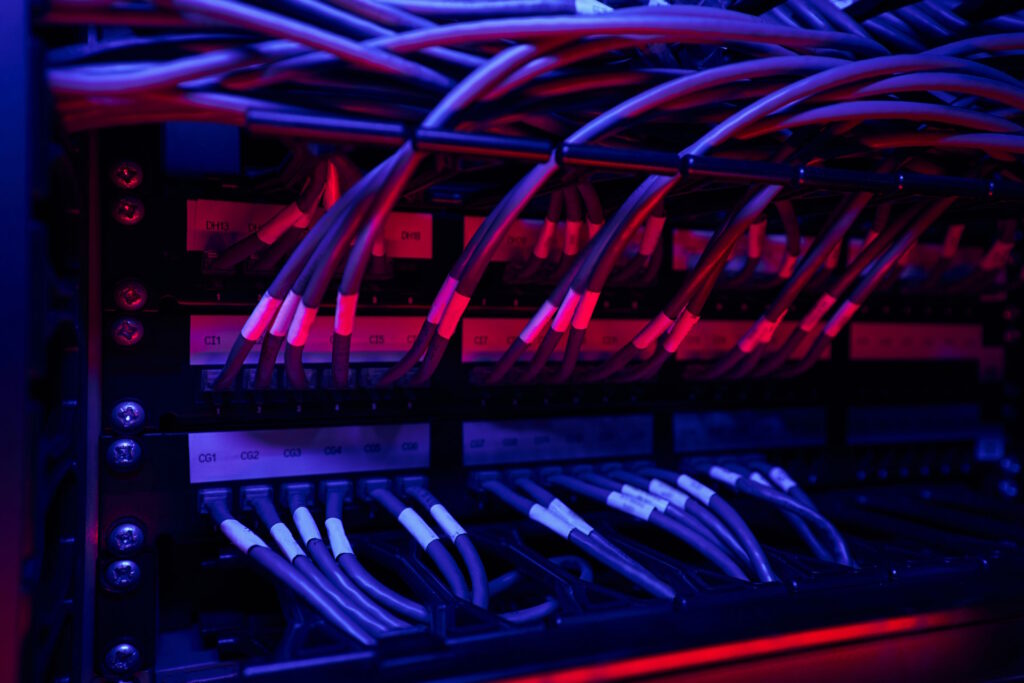
Proper documentation and labeling are essential components of effective structured cabling management. Maintaining accurate records of cable layouts, termination points, and equipment locations can facilitate troubleshooting and maintenance efforts. Clear labeling of cables and ports also helps IT staff quickly identify connections, reducing the time required for repairs or modifications.
Moreover, comprehensive documentation supports compliance with industry standards and regulations. By maintaining organized records, organizations can demonstrate adherence to best practices, which is particularly important during audits or inspections. Investing time in documentation and labeling pays off in the long run by enhancing operational efficiency and reducing the risk of errors.
Table of Cabling Technologies and Their Specifications
| Cabling Type | Bandwidth Capacity | Maximum Distance |
|---|---|---|
| Cat6 | 1 Gbps | 100 meters |
| Cat6a | 10 Gbps | 100 meters |
| Cat7 | 10 Gbps | 100 meters |
| Fiber Optic | Up to 100 Gbps | Unlimited (depends on type) |
| OM4 Fiber | 10 Gbps | 150 meters |
| OM5 Fiber | 40/100 Gbps | 150 meters |
This table provides a comparison of various cabling technologies and their specifications. Understanding the differences in bandwidth capacity and maximum distances is crucial for selecting the appropriate cabling solutions for data center applications. By evaluating these specifications, organizations can ensure that their cabling infrastructure aligns with their operational requirements and future growth.
Pros and Cons
- Pros:
- Improved Performance: Structured cabling systems enhance data transfer speeds and reduce latency, ensuring seamless connectivity for high-demand applications.
- Scalability: The modular design allows for easy upgrades and expansions, enabling organizations to adapt their infrastructure as needs evolve.
- Reduced Downtime: Standardized installations simplify troubleshooting, minimizing the risk of costly downtime due to network failures.
- Future-Proofing: High-performance cabling solutions prepare data centers for emerging technologies, ensuring long-term viability.
- Cons:
- Initial Costs: Investing in structured cabling installations can be expensive upfront, requiring careful budgeting and planning.
- Complexity: The installation process may involve complex configurations that require skilled technicians to execute successfully.
- Maintenance Needs: Regular maintenance and testing are essential to ensure optimal performance, necessitating ongoing investment.
Weighing the pros and cons of structured cabling installations reveals a balanced perspective on their value. While initial costs and maintenance needs may pose challenges, the benefits of improved performance, scalability, and future-proofing make structured cabling an essential investment for organizations looking to optimize their data center infrastructure. Understanding these factors enables IT managers to make informed decisions that align with their strategic goals.
Frequently Asked Questions
- What is structured cabling?
Structured cabling is a standardized approach to cabling that organizes and manages data transmission within a network. It includes various components such as cables, connectors, and telecommunications rooms that work together to create a cohesive infrastructure. This system is designed to enhance performance, scalability, and reliability in data centers.
- How does structured cabling benefit modern data centers?
Structured cabling offers several benefits to modern data centers, including improved data transfer speeds, reduced latency, and easier scalability. It also simplifies troubleshooting and maintenance processes, minimizing downtime and ensuring that the network operates efficiently. By investing in structured cabling, organizations can future-proof their infrastructure and prepare for emerging technologies.
- What are the best practices for structured cabling installation?
Best practices for structured cabling installation include conducting a thorough site assessment, engaging experienced professionals, and prioritizing proper documentation and labeling. Regular maintenance and testing of the cabling infrastructure are also crucial to ensure optimal performance and longevity. Following these practices can enhance the effectiveness of the installation and reduce the risk of errors.
Conclusion
Structured cabling installations are essential for modern data centers as they provide the foundation for efficient data transmission and connectivity. Understanding the key components, benefits, and trends shaping the industry is vital for IT managers and facilities directors responsible for optimizing their organization's infrastructure. As businesses approach 2026, investing in high-performance cabling solutions that prioritize scalability, compliance, and security will be crucial for meeting the demands of a rapidly evolving technological landscape. By following best practices and remaining informed about emerging trends, organizations can ensure that their cabling infrastructure remains robust, reliable, and future-proof.


